Soya Chunks: Nutritional Facts, Benefits and Recipe
Soya chunks nutrition per 100 g, health benefits, the truth about soy and estrogen for women, how much to eat, how to cook them, and two easy Indian recipes.
By Nitya Health Editorial Team8 min read
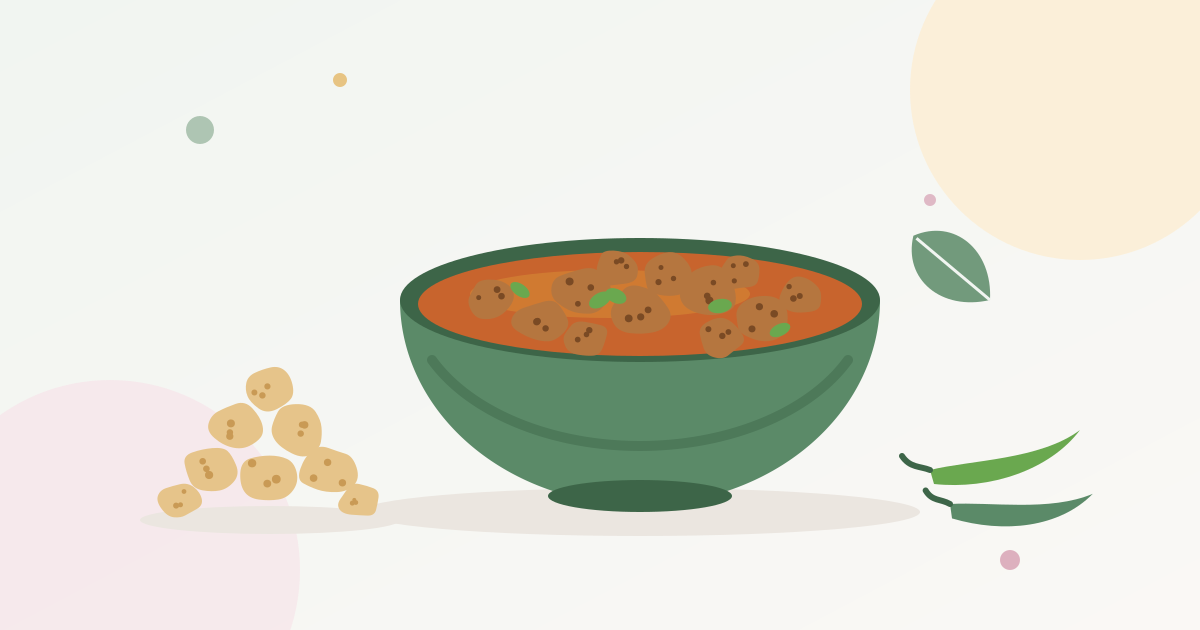
Soya chunks (also called soya bari, soy nuggets or meal maker) are one of the cheapest, most protein-packed foods in an Indian kitchen. Just 25 g of dry chunks gives you about as much protein as two eggs — yet many women avoid them because of confusing claims about soy and hormones.
This guide covers soya chunks nutrition, the real benefits, what the research says about soy and estrogen, how much to eat, how to cook them so they are soft and tasty, and two easy Indian recipes.
What are soya chunks?
Soya chunks are made from defatted soy flour — what remains after oil is extracted from soybeans. The flour is processed under heat and pressure into spongy chunks, then dried. Because most of the fat is removed, what is left is concentrated protein and fibre.
They come in large chunks, mini chunks and granules (keema-style). All have similar nutrition; only the size and cooking time differ.
Soya chunks nutrition
Values below are approximate and vary slightly by brand — check the label on your pack.
| Nutrient | Per 100 g dry (approx.) | Per 30 g dry serving (approx.) |
|---|---|---|
| Energy | 345 kcal | 104 kcal |
| Protein | 52 g | 15.5 g |
| Carbohydrates | 33 g | 10 g |
| Dietary fibre | 13 g | 4 g |
| Fat | 0.5–1 g | under 0.5 g |
| Iron | 9–10 mg | 3 mg |
| Calcium | 250–350 mg | 75–105 mg |
A 30 g dry serving is roughly a small katori of dry chunks, which swells to about 1 katori once soaked and cooked.
Remember that nutrition labels refer to dry weight. Once soaked, soya chunks roughly triple in weight, so 100 g of cooked chunks has only about 15–17 g of protein.
Health benefits of soya chunks
1. High-quality plant protein
Soy is one of the few plant foods that provides all nine essential amino acids in good proportions, which makes it a “complete” protein. For vegetarians who struggle to reach their daily protein target, soya chunks are an easy win. See our vegetarian protein diet plan for how they fit into a full day.
2. Keeps you full for longer
The combination of protein and fibre slows digestion and helps you feel satisfied. This can support weight management and steadier blood sugar when soya chunks replace some refined carbohydrates on your plate.
3. May support heart health
Soy protein has been shown in many studies to modestly lower LDL (“bad”) cholesterol. Soya chunks are also very low in fat and contain no cholesterol. The effect is modest, but swapping fried or processed foods for soy-based dishes is a heart-friendly change.
4. Supports muscles and bones
Adequate protein helps preserve muscle, especially if you exercise or are getting older. Soya chunks also contribute some calcium and magnesium, and soy isoflavones are being studied for their possible role in bone health after menopause.
5. A source of iron
Soya chunks contain a useful amount of non-haem (plant) iron. Pair them with vitamin C — tomatoes, lemon or capsicum — to help your body absorb more. Read our guide to iron-rich vegetarian foods for more tips.
Soy and hormones: what women should know
This is the question women ask most. Here is what the evidence suggests.
What are phytoestrogens?
Soy contains isoflavones (mainly genistein and daidzein). They are called phytoestrogens because their structure resembles estrogen and they can bind to estrogen receptors. However, they are far weaker than your body’s own estrogen and can act differently in different tissues — sometimes mildly estrogen-like, sometimes blocking it.
Myth: soy causes hormonal imbalance
Studies of moderate soy intake — the amounts eaten in traditional Asian diets — have generally not found harmful effects on reproductive hormones, menstrual cycles or fertility in healthy women. Very large amounts, or concentrated isoflavone supplements, are a different matter and have been less well studied.
Myth: soy increases breast cancer risk
Large observational studies have not found that eating soy foods raises breast cancer risk; some suggest it may even be linked to a lower risk. Women with a history of breast cancer should still follow their oncologist’s advice about soy foods and especially about supplements.
Soy and PCOS or menopause
Some small studies suggest soy foods may help with insulin resistance and cholesterol in PCOS, and may slightly ease hot flushes during menopause. The evidence is still limited, so think of soy as one healthy option rather than a treatment. Our PCOS diet chart has more food ideas.
Soy and thyroid
Soy does not cause hypothyroidism in people with normal thyroid function and enough iodine. However, it can reduce absorption of thyroid medicine (levothyroxine). If you take thyroid tablets, have them on an empty stomach as prescribed and keep soy foods a few hours apart. Ask your doctor whether your dose needs checking if you start eating soy regularly.
How much soya chunks can you eat in a day?
For most healthy adults, about 25–30 g of dry soya chunks a day (a small katori dry) is a reasonable amount within a varied diet. Many people eat them a few times a week rather than daily, which is also fine.
| Who | Suggested amount (dry) |
|---|---|
| Healthy adult women | 25–30 g a day, or a few times a week |
| Active women or those building strength | Up to about 50 g a day, spread across meals |
| Children | Smaller portions as part of family meals |
| Thyroid, kidney disease or soy allergy | Check with your doctor first |
Eating very large amounts every day may cause bloating, gas or indigestion, and leaves less room for other foods.
How to cook soya chunks properly
Badly cooked soya chunks are chewy and taste “beany”. The secret is to boil, rinse and squeeze.
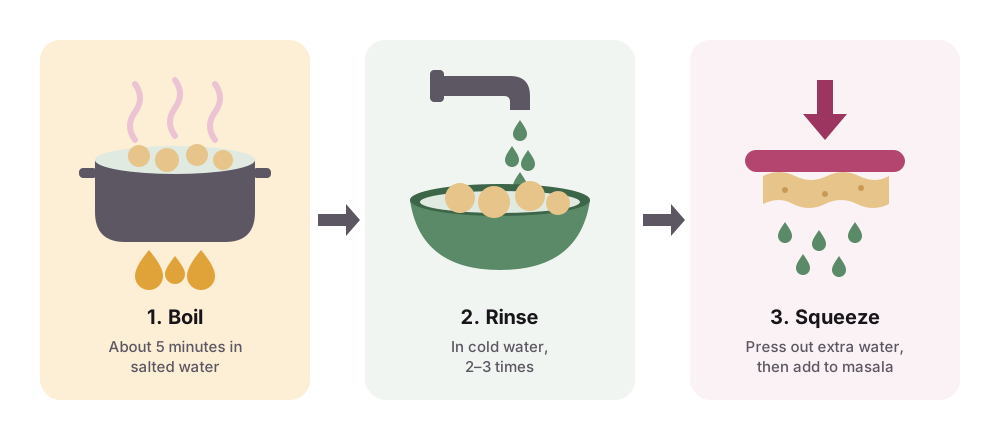
- Boil: Bring water to a boil with a pinch of salt. Add the dry chunks and boil for about 5 minutes (or soak in hot water for 10–15 minutes) until they double or triple in size and turn soft.
- Rinse: Drain and rinse them in cold water 2–3 times. This cools them down and removes some of the raw soy smell.
- Squeeze: Press each handful firmly to remove excess water. Dry chunks absorb masala much better.
- Marinate (optional): Coat with curd, ginger-garlic paste and spices for 15 minutes for extra flavour.
Recipe 1: Soya chunks curry
Ingredients (serves 3):
- 1 cup (about 60 g) dry soya chunks, boiled and squeezed
- 1 large onion, finely chopped
- 2 tomatoes, puréed
- 1 tsp ginger-garlic paste
- 1 tsp cumin seeds, 1 bay leaf
- ½ tsp turmeric, 1 tsp coriander powder, 1 tsp Kashmiri chilli powder, ½ tsp garam masala
- 2 tbsp curd (optional), whisked
- 1 tbsp oil, salt to taste, coriander leaves
Method:
- Heat oil in a kadhai. Add cumin and bay leaf and let them splutter.
- Add onion and sauté until golden brown. Add ginger-garlic paste and cook for a minute.
- Add tomato purée and the dry spices. Cook until the oil separates from the masala.
- Lower the heat and stir in the curd quickly so it does not split.
- Add the squeezed soya chunks and mix to coat well. Add 1–1½ cups water and salt.
- Cover and simmer for 8–10 minutes so the chunks absorb the gravy.
- Finish with garam masala and coriander. Serve with roti or rice.
Each serving provides roughly 10 g of protein from the soya chunks alone, plus a little more from the curd.
Recipe 2: Soya pulao
Ingredients (serves 3):
- 1 cup basmati rice, washed and soaked for 20 minutes
- ½ cup (about 30 g) dry soya chunks or mini chunks, boiled and squeezed
- 1 cup mixed vegetables (peas, carrots, beans)
- 1 onion, sliced
- 1 tsp ginger-garlic paste, 1–2 green chillies
- Whole spices: 1 bay leaf, 3–4 cloves, 2 green cardamoms, a small stick of cinnamon, 1 tsp cumin
- 1 tbsp ghee or oil, salt to taste, mint and coriander leaves
- 2 cups water
Method:
- Heat ghee in a pressure cooker or pot. Add the whole spices and cumin.
- Add onion and sauté until light golden, then add ginger-garlic paste and green chillies.
- Add soya chunks and vegetables; sauté for 2–3 minutes.
- Add the drained rice, salt and water. Stir gently.
- Pressure cook for 1 whistle and rest for 10 minutes, or cook covered in a pot until the rice is done.
- Fluff with a fork, top with mint and coriander and serve with raita.
Adding a bowl of raita or a side of dal makes this a balanced, protein-rich one-pot meal. If you log your meals in the Nitya Health app, you can see how easy swaps like this change your daily protein intake.
Who should be careful
Soya chunks are safe for most people, but take care if you:
- Have a soy allergy — avoid all soy products
- Take thyroid medicine — keep soy a few hours away from your tablet and inform your doctor
- Have kidney disease — high-protein foods may need to be limited; follow your nephrologist’s or dietitian’s advice
- Have a history of hormone-sensitive cancer — discuss soy foods and supplements with your oncologist
- Get bloating or gas — start with small portions, cook well and increase slowly
If you notice itching, hives, swelling of the lips or face, or difficulty breathing after eating soy, seek medical help urgently, as this may be an allergic reaction.
Frequently asked questions
How much protein is in 100 g of soya chunks?
Dry soya chunks contain roughly 50–52 g of protein per 100 g. After soaking and cooking they absorb water, so 100 g of cooked chunks has much less — around 15–17 g.
Is it safe to eat soya chunks every day?
For most healthy adults, about 25–30 g of dry soya chunks a day is considered a reasonable amount within a varied diet. If you have a thyroid condition, kidney disease or a soy allergy, check with your doctor first.
Do soya chunks increase estrogen in women?
Soy contains plant compounds called isoflavones that are much weaker than the body's own estrogen. Research on moderate amounts of soy foods has not shown harmful hormonal effects in most women.
Why do soya chunks cause gas?
Soy contains certain fermentable carbohydrates that gut bacteria break down, producing gas. Boiling, rinsing and squeezing the chunks well, and starting with small portions, usually helps.
- #soya chunks
- #protein
- #vegetarian diet
- #healthy recipes
- #hormones
Track it with Nitya Health
Log your cycle, symptoms and habits — and get answers from an AI health coach.